How To Choose A Water Softener System? A Complete Guide!
Choosing the right water softener system is more than just comparing prices or brands. The system you select directly impacts your home’s water quality, maintenance costs, efficiency, and long-term performance. A poorly chosen unit can lead to issues like hard water buildup, frequent repairs, low water pressure, excessive salt consumption, and a shorter system lifespan.
Whether you’re dealing with hard water for the first time or replacing an old unit, understanding how to choose a water softener can save you time, money, and unnecessary maintenance. Before making a purchase, it’s important to understand the key factors that influence a water softener’s performance, lifespan, and maintenance requirements. This guide covers everything you need to know in choosing a water softener system for your home.
Do I Need A Water Softener System in My House?
Yes, if your home’s water is hard and free from harmful contaminants like arsenic, lead, or PFAS/PFOS, a water softener is the right solution. However, if your water contains chemical or biological contaminants, you’ll need an appropriate water filtration system alongside or instead of a water softener.
You likely need a water softener if you notice:
- Limescale buildup on faucets, showerheads, or plumbing fixtures
- Dry, itchy skin after bathing
- Dry or damaged hair
- White spots or stains on dishes and glassware
- Soap or detergent that doesn’t lather well
- Mineral deposits on sinks, tubs, or appliances
Before installing a water softener, have your water tested to determine its hardness level and identify any contaminants. If you use a private well or another natural water source, a laboratory water test is recommended. For municipal water supplies in the GTA, you can determine your water hardness using your city’s reported hardness levels. Once you know your water hardness, choosing the right water softener becomes much easier.
How to Choose a Water Softener System?
Choosing the wrong water softener system may cause you financial burden and health hazards. Check the following parameters to get the right estimation of your water softener system, its capacity, and working.
Water Hardness Level
Water hardness level is the amount of calcium and magnesium in water. It is usually measured in Grains per gallon or GPG. The higher the hardness number, the greater the softening system required. In Canada, the hardness varies from location to location. In Toronto, the water hardness is 6 to 7 grains per gallon (GPG), while in Calgary it is 12 to 16 GPG on average. Knowing the hardness level decides the capacity and size of your water softener system.
Type of Water Softener
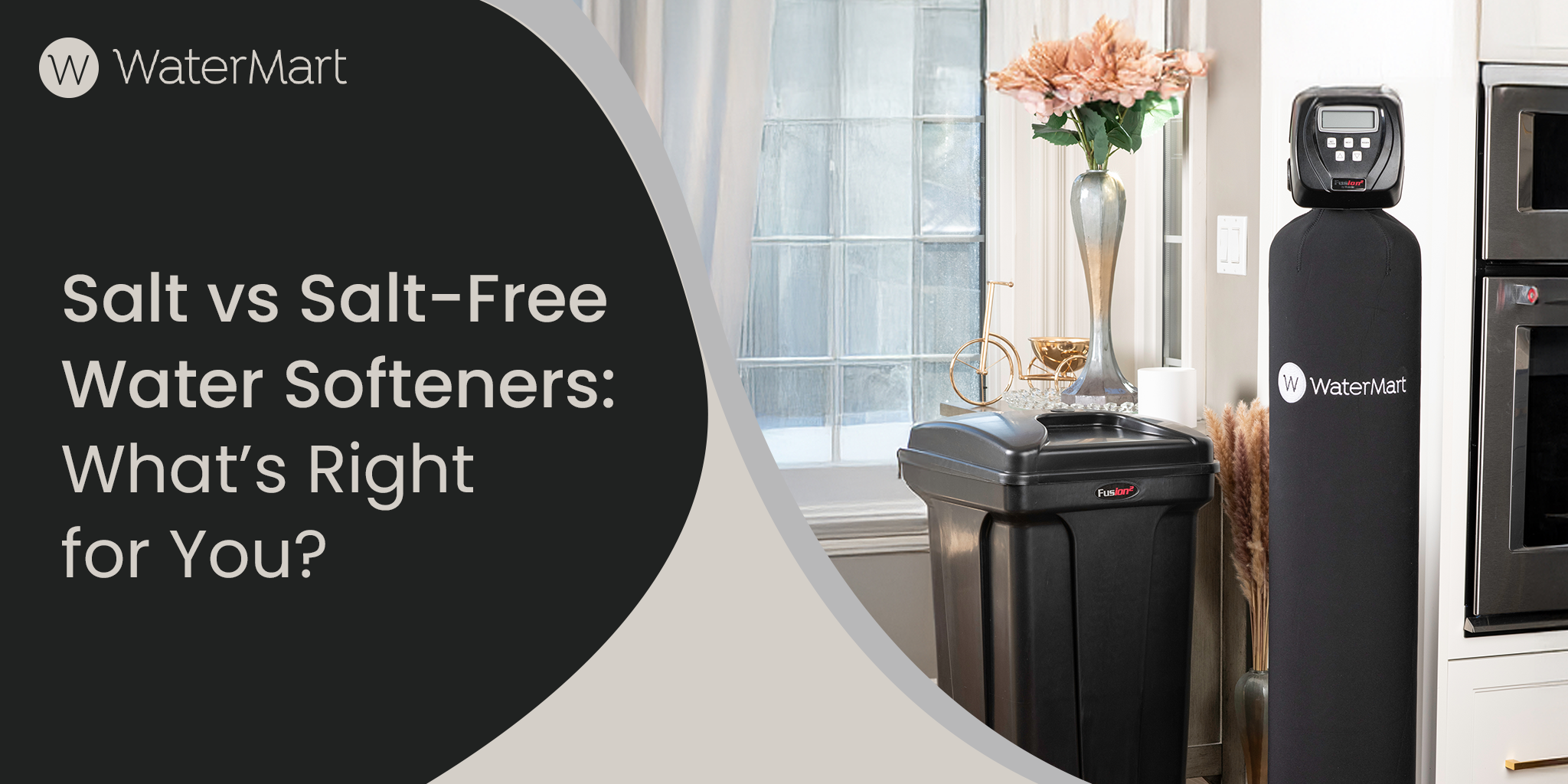
The type of water softener you choose affects its performance, maintenance requirements, and overall cost. Some systems remove hardness minerals from water, while others are designed to reduce scale buildup. Choosing the right type depends on your water hardness level, household water consumption, and treatment goals.
The most common options include:
- Salt-based water softeners: Best for homes with moderate to very hard water.
- Salt-free water conditioners: Help reduce scale buildup but do not remove hardness minerals.
- Dual-tank water softeners: Provide a continuous supply of soft water, making them ideal for larger households.
- Magnetic or electronic descalers: May help reduce scale formation but are generally less effective than traditional softeners.
- Reverse osmosis systems: Designed for drinking water purification rather than whole-home water softening.
- Shower water softeners or filters: Improve water quality for bathing but are not a replacement for a whole-house softener.
System Size and Capacity
Choose a water softener with a capacity that matches your household’s water hardness level and daily water consumption. Water softener capacity is measured in grains and determines how much hardness the system can remove before it regenerates.
An undersized system will regenerate more frequently, increasing water and salt consumption while reducing efficiency. An oversized system, on the other hand, can waste water, salt, and energy because it regenerates less efficiently for your actual usage.
To select the right size of water softener, consider your water hardness level, the number of people in your household, and your average daily water usage.
Regeneration Process
In water softener systems, a resin bed is used that traps the hard minerals in it and filters out soft water for your use. Once the resin bed is clogged, it needs to be cleaned before it filters out and gives you soft water. A water softener system has several key parts that work together during the regeneration cycle. Components like the resin tank, control valve, brine tank, distributor tube, and resin beads remove hard minerals from water and keep the system working properly. Knowing how these parts of a water softener function helps homeowners pick the right system and prevent common problems like low pressure or poor softening. The resin beads are regenerated using the water softener salt and water. This process of coated resin bead cleaning is known as the water softener regeneration cycle. Use a filter system that has higher capacity and needs less regeneration time. You can put your system on regeneration at night when water is not in use.
Installation and Maintenance
Installation costs and maintenance costs are real. What if they exceed your budget and you end up wasting your money on unnecessary equipment? Choose the right company that offers installation and maintenance as well. Keep a calendar that helps you schedule your maintenance.
Water softener regular upkeeps include the addition of salt and cleaning brine solution tanks. In case any breakage, malfunctioning, or leakage occurs, the supplier’s warranty will help you have peace of mind and budget effectiveness.
Cost and Warranty
Don’t break the bank on your water softener systems, as we have cost-effective water solutions to meet your needs. Always choose an affordable water softener with a warranty. Our water softeners last long, need less maintenance, and offer a comprehensive warranty. You can get in touch to schedule your meeting anytime.
Certification and Standards
Never choose a system that does not come with any certification. Look for a non-profit private certification system, or water quality association certification, or NFS testing and certification.
Environmental Impact
Though you get soft water, you use quite a lot of salt and water to clean the resin bed as well. So, look for an efficient water softener that is designed to use less salt and water for cleaning. The salt used in every water softener system ends up added into lake water, rivers, roads, sidewalks, or walkways, which might pollute the environment. So, choosing an environmentally friendly water softener system is highly recommended.
Customer Reviews and Ratings
Choose a reputable company, like WaterMart Toronto, where we have served thousands of our clients with satisfactory reviews and testimonials. Get to know how previous clients feel about the services you are buying. This helps you avoid an unexpected inconvenience.
Benefits of a Water Softener System
The benefits of having a water softener system are unlimited, they save your health and wealth with the longevity of your life and appliances. Look at the following benefits you get from using water softener systems over ordinary filters.
High-Quality Drinking Water
You get high-quality and pure drinking water that helps you eliminate all the negative impacts of hard water.
Improved Health
Staying hydrated with healthy water helps you improve your health, and good digestion, and maintain gut health.
Extended System Lifespan
You get rid of all the problems that hard water causes to your appliances, faucets, shower heads, and plumbing fixtures. Your water heaters use less electricity, and they get rid of limescale pile-ups, resulting in longer lifespans.
Cost Savings
You save a heck lot of money in terms of the maintenance cost of your appliances, reduce your electricity bills, and have less usage of soap and detergents for laundry.
Environmental Benefits
You need less amount of water, detergents, and chemicals for laundry, bathroom cleaning, and dishwashing when you use soft water. It ultimately saves the environment and reduces the amount of water needed, resulting in saving water resources in a location.
Conclusion
Selection of a water softener system needs a thorough estimate and complete calculation of your water requirement, quality, or hardness level of water, size, and capacity of the softener system, regeneration process, and installation techniques.
If it is overwhelming for you, contact our experts at WaterMart and get a complete guideline that can help you understand how to choose a water softener system. Know your water needs and budget, we will help the rest to get you the right estimation, selection, installation services, and functioning of your water softener system.
FAQs About Choosing a Water Softener
How do I know which water softener to buy?
Estimate the water required for a day. If you need 300 gallons a day and the hardness of your water is 7, multiply both, 300×7 equals 2100 grains per day will be the capacity of your water softener.
How is the capacity of a softener measured?
The capacity of a water softener is measured in the number of grains( hard particles made up of calcium and magnesium) from the water required for use.
How do I measure my house’s water needs?
A person usually needs 80 gallons of water per day. Multiply it by the number of people in your house, and add a tolerance of 100 gallons, and your requirement will be measured.
Do all homes with hard water need a water softener?
Not always. If your water hardness is moderate to high and you’re dealing with limescale buildup, dry skin, stained fixtures, or reduced appliance efficiency, a water softener is usually a worthwhile investment. However, if your water also contains contaminants like lead, arsenic, or PFAS, you’ll need a water filtration system in addition to or instead of a water softener.
Can a water softener increase my home’s water pressure?
No. A water softener doesn’t directly increase water pressure. However, it helps prevent mineral buildup in pipes, which can improve water flow if hard water is causing the problem.
What’s the difference between a water softener and a water filter?
A water softener removes hardness minerals like calcium and magnesium, while a water filter reduces contaminants such as chlorine, sediment, and heavy metals. If your water is both hard and contaminated, you’ll likely need both systems.