How Much Does A Home Water Filtration System Cost?
In Canada, a whole home water filtration system costs between $800 and $4,500 including the installation costs. The pricing varies according to the technology used, brand, installation and other specific requirements.
If you’re considering getting a whole house water filter, you would have noticed they come with a hefty tag. While the upfront investment is a wee bit higher, it is justified because a whole-home water treatment unit provides clean water at every shower, tap and appliance. But not every system is expensive. Costs depend on various factors, and we will be breaking down the cost of whole house water filtration system along with the factors influencing it in this read.
What is the Cost of a Whole-House Water Filtration System?
On average, the cost of a water filtration system for the entire home is around $800 to $4,500 for good-quality system that balances durability and performance. High-end systems can go well over $8,000. Installation, maintenance, and filter replacements usually come at an additional price.
The cost is dependent on different factors, primarily the type of the filtration technology, and your house’s specific flow rate requirements. A basic whole-house carbon filtration unit starts at $500 to $1,000, but if you add UV disinfection or water softening to the system, the price spikes between $1,500 and $5,000. The cost of a whole house reverse osmosis (RO) system, on the other hand, is around $4,800 to $8,000 because RO uses advanced technology and multiple stages to deliver ultra-pure water.
Here’s a quick breakdown of what you can expect by system type:
| System Type | Typical Price Range | Best For |
| Simple filters (pitchers, faucet-mount, fridge) | $20 – $500 | Renters, small households, or anyone wanting basic taste and odour improvement |
| Sediment-only or single-stage carbon filter (whole-house) | $100 – $500 | Small homes, basic sediment or chlorine taste/odour reduction |
| Standard carbon filtration system (whole-house) | $500 – $1,500 | City water homes, improving taste and odour, removing chlorine and some chemicals |
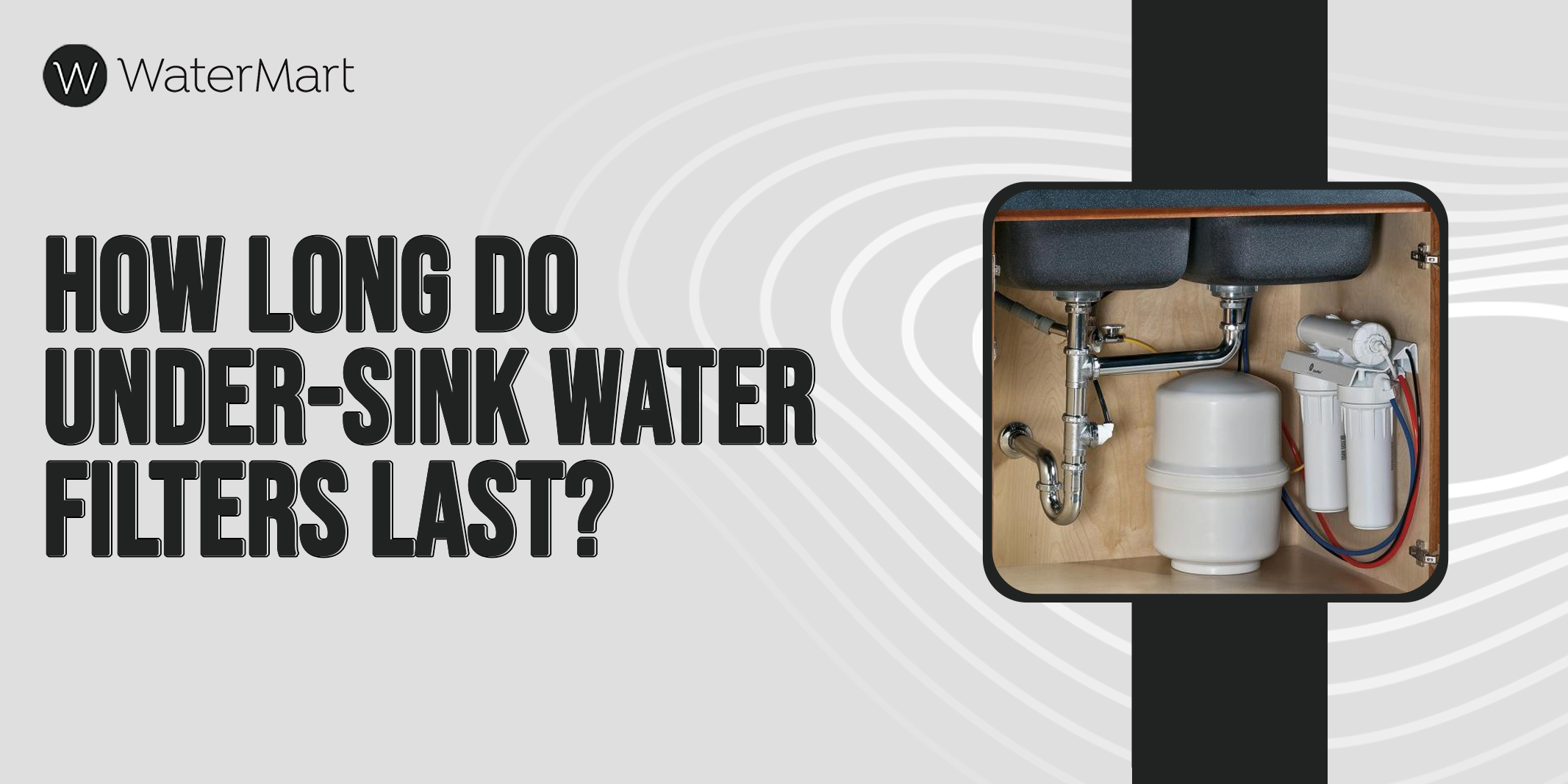
| Under-sink water filters (carbon or multi-stage) | $400 – $700 | Point-of-use filtration for drinking and cooking water at a single tap |
| Well-water filtration systems (specialized) | $800 – $4,500 | Rural homes with sediment, iron, sulfur, hardness, or bacteria concerns |
| Multi-stage with conditioning or salt-free softening (whole-house) | $1,500 – $5,000+ | Homes with hard water, scale protection, or multiple water quality concerns |
| UV disinfection (added to filtration) | $1,000+ (add-on) | Well water homes with biological concerns (bacteria, viruses, coliform) |
| Reverse osmosis (whole-home) | $4,800 – $8,000 | Maximum contaminant removal—99% of dissolved solids, heavy metals, fluoride, PFAS |
Factors Influencing the Cost of Whole House Water Filtration System
Numerous factors influence the cost of the system. These include the brand, the efficiency, capacity of the filter, and the labor charges. In this section, we will examine how these factors affect the pricing of any system. So, let’s see how you can prevent extra spending and save some money for yourself!
Brand
The better the brand, the higher the price. If you buy from a top brand in Toronto, they will automatically charge you more because they are committed to using expensive, top-quality tools and parts. At WaterMart, however, we offer the best water filters at reasonable prices.
Capability & Capacity
The filter tanks that hold the water can be of varying sizes. This also plays a major role in the cost of water filters because a larger tank takes up more material and thus costs more. Additionally, not all filters have enough features, so if you choose a filter that’s more capable of water purification, like a whole-house water filter, it is comparatively more pricey.
Labor/Installation
Installing the filter yourself is easier and cheaper. On the other hand, if you have bought a complex water system like a water softener or whole-house water filter, you may need an installation expert, it will cost around $200 to $600 extra, depending on the level of their expertise.
Types of Filters
Whole-home filters with simple technologies like sediment or activated carbon filters are easy on the budget, ranging between $800 and $1,500. Under-sink carbon units are quite affordable too, falling at $400 to $700. They are especially popular for renters or homeowners seeking clean drinking water at a single tap only. While these systems remove sediment, chlorine, and some other chemicals, they fail to filter heavy metals, biological contaminants, or dissolved solids.
As you move towards advanced technology, the prices start to climb as well. Systems with UV disinfection, specialized media to remove sulfur and iron, and salt-free conditioning cost between $2,000 and $3,000 for whole-home setups. The price is higher for homes with complicated well water problems.
Multi-stage systems combining carbon, sediment, and other specialized media land at $1,500 to $2,000. Whole-home reverse osmosis systems that remove up to 99% of all contaminants including lead, microplastics, chlorine, bacteria, viruses, and per- and polyfluoroalkyl substances (PFAS), start around $4,800 and can easily exceed $8,000.
While setups with simple technology cost less, but make sure you pick a technology that targets the contaminants in your water.
Replacement of Filters
All filters require regular maintenance and replacement of the filter cartridges. Replacement charges range from $40 and sometimes go to $100 if there is a major issue in your water filtration system.
In addition to these factors, the cost of a home water filtration system also depends on the type of water filter you buy.
Top Water Filtration System Types
Generally, water filtration systems fall into three main categories based on how and where they treat your water. Want purified water at every tap, appliance and shower? A whole-house system does that best. Seek pure water for drinking and cooking at the kitchen sink only? Under-sink RO or a carbon filter is likely adequate.
Let’s break down the top water filter types for you.
Reverse Osmosis Drinking Water Filtration
RO pushes water through a semi-permeable membrane with pores as tiny as 0.0001 microns. It removes up to 99% of dissolved impurities, such as nitrates, total dissolved solids (TDS), PFAS, fluoride, bacteria, and heavy metals. Some systems have an extra remineralization stage that replenishes the beneficial minerals like magnesium and calcium for a balanced taste and pH.
These are typically point-of-use systems, meaning they filter water at the tap they are installed. Best for health-conscious homeowners who want the purest possible water for drinking and cooking. Their trade off? Slower flow rate and some water waste.
Whole-House Water Filtration
These are point-of-entry systems, meaning they are installed at your main water line and treat every drop of water that reaches every faucet, appliance, and shower. Usually, they use a combination of sediment, activated carbon, RO, or specialized media to remove sediment, chemicals, and chlorine. If a whole-house water system includes an RO stage, it will eliminate up to 99% of the dissolved contaminants.
The technology used in whole-house filters varies. Those with simple carbon or sediment filters target a few impurities, and those with RO or specialized media like UV address wide-ranging contaminants.
Ideal for busy households, large families, and homeowners seeking consistent water quality throughout their home.
Simple Filters
These are the most affordable and common types of water treatment solutions. They include fridge filters, basic under-sink carbon cartridges, pitcher filters, and faucet-mount attachments.
Typically, they use activated carbon as their primary filtration medium and rely on the adsorption method to trap sediment, chlorine, odors, tastes, and a few other chemicals at the surface to improve the water’s odor and taste.
They use a simple technology, are simple to maintain, and easy on the pocket. Best for small households, renters, those on a tight-budget, but only when your water has only aesthetic (taste and odor) concerns. If your water has terrible quality, or contains heavy metals or bacteria, it’s best to invest in a better technology.
Signs You Need a Water Filtration System
You should only invest in a water filter when you really need one, because even though it has its advantages, it costs a lot of money. There are some signs that can help you figure out if you should install a water filter or not. We have discussed them briefly, so you can see if you have observed any such symptoms.
You Notice Unpleasant Odors
If your water smells unpleasant, it means some bacteria are building up in it, or maybe some dirty water is mixed with it. In any case, foul-smelling water is harmful to one’s health and should be filtered before use.
You Taste Something Strange
If your water tastes unusual and strange while drinking, you should immediately stop using it. Bad taste usually means your water has an excessive amount of chlorine or hydrogen sulfide and should be treated as soon as possible. If your water tastes and smells the same, you can observe its color.
Your Tap Water Doesn’t Look Clean
You should notice the color of the water running from the tap. If it seems brownish or dull in color, it is time to buy a water purifier because unclean tap water is a sign that some chemicals are dissolved in it.
Your Area Had a Recent Boil Advisory
Sometimes, contaminants attack the main water system that supplies water to the whole area. In this case, the water inspector issues boil water notices to warn residents about the polluted water. If your area encounters a boil advisory, you will need to buy a water filter.
Your Water Test Came Back With Concerning Results
The best way is to get your water tested. You can also schedule a FREE water test at WaterMart by filling out this form. We will provide you with the water results very soon, and you can also enquire at our customer service to discuss whether the results show a need for a water filter or not.
You Notice Other Issues
Other symptoms include damaged hair or skin, dirty spots when washing dishes and clothes, and lower water pressure than usual.
In any case, you should get a water filter installed for a safe and healthy water supply.
What Benefits Do Water Filters Bring?
Water filters are becoming a popular choice for homes because they can improve the quality of water coming from your taps. Depending on the system, they can reduce certain chemicals and impurities, improve taste and odour, and provide cleaner water for everyday use. The benefits of water filtration systems go beyond better-tasting water, making filtration a practical investment for many households. Here are some of the main benefits:
Enhanced Quality & Taste
Of course, water that is pure of chemicals, pesticides, harmful compounds, and solids tastes and feels better than impure water. You will feel good while drinking filtered water because it is safe and healthy.
Drink More / Waste Less
With better quality, your will to drink more increases, and you remain hydrated more often than before. It also saves the wastage of bottled water.
Improved Energy Efficiency
With filtered water, all the machines can work to their fullest, thus improving their systems’ efficiency. Chemicals in the water usually make machines inefficient.
Extended Lifespan of Home Appliances
Many home appliances erode because of bad water containing strong chemicals. This causes the machine to deteriorate quicker than its guaranteed life. Pure and filtered water elevates the lifespan of all home appliances that use water, such as washing machines and dishwashers.
Easier Cleaning
After washing your dishes and clothes, you will not see any water spots or dirty stains. Hard water is the main reason for improper cleaning, so making it softer and purer encourages easier and enhanced cleaning.
Experience Softer Skin & Hair
All beauty experts say good water is the secret to softer skin and hair, and well water (with an abundance of chemicals) can damage your hair and also give rise to different skin issues. That’s why a water filter will provide you with good-quality water for your hair and skin.
Is a Home Water Filtration System Worth It?
In our opinion, installing a water filter system in your house is beneficial for you and your family. It will reduce any risks of contaminated water and provide you with only pure, tastier, healthier, and good-quality water that is safe for your household.
If you have a high budget, you can purchase a whole-house water filter, but if you have a low budget, you can just install an under-sink water filter that is smaller and easier to install as well. We have top-quality water filters with an extra layer of safety and exceptional prices, so you can put your trust in us and make a purchase now! WaterMart, we also have Water Filtration installation experts who will make the installation process easier and faster for you.
FAQs
Where Should a Whole-House Water Filter be Installed?
It should be installed in the main water supply lines, which can be found in your basement or crawl space.
Do You Need a Water Filter in Toronto?
Water coming from the plants in Toronto is often safe to use and drink. However, it is better to get your water tested in case any chemicals get mixed in it. You can contact us to book a water test.
Where Should a Whole-House Water Filter be Installed?
It should be installed in the main water supply lines, which can be found in your basement or crawl space.
Who Installs Water Filtration Systems?
With the right tools, you can install one yourself, but for expert installation, you can hire professionals from WaterMart.
Is a Whole-House Filter Better Than an Under-Sink Filter?
It depends on what you want to filter. A whole-house system treats water throughout the home, while an under-sink system focuses on water at a specific tap. Whole-house filtration is more suitable when you want filtered water throughout the property.