How to Soften Hard Water at Home | Causes, Effects & Treatment
Hard water is a widespread household water quality issue in Canada (especially across Ontario and the Prairie provinces). It is mainly caused by high concentrations of minerals (calcium and magnesium) dissolved from soil and rock. These minerals make water “hard,” leading to limescale/soap scum, reduced performance of plumbing and appliances.
This article explains what hard water is, its disadvantages, how to recognize it, measure hardness levels, effective hard water treatment at home, and long-term management options. This also covers how WaterMart’s free water testing can help you make the right decisions about treating your water.
What is Hard Water?
Water with excess calcium and magnesium mineral contents is referred to as “hard” water. They are invisible, so water looks clear, but it behaves very differently during daily use. Soft water is largely free of these minerals and is preferred for domestic use because it protects plumbing, appliances, and surfaces while improving comfort and cleaning results.
Hard Water Causes
Hard water originates from natural mineral absorption as groundwater moves through rocks:
- Rainwater seeps through soil and porous rocks like limestone and chalk, dissolving mineral carbonates.
- Calcium (Ca²⁺) and magnesium (Mg²⁺) ions are absorbed, increasing water hardness.
- These minerals exist as bicarbonates, sulfates, and chlorides, which contribute to scale, soap scum, and reduced cleaning efficiency in homes.
Understanding why water is hard comes down to how water travels underground and absorbs mineral salts, which is why hardness varies widely across Canada. There are two types of hardness: temporary and permanent. Temporary hardness is caused by calcium and magnesium bicarbonates that can be reduced by boiling. Permanent hardness is caused by sulfates and chlorides that remain even after heating and require water softening solutions.
Disadvantages of Hard Water
Soft water is preferred because it has low mineral content and leaves minimal deposits. In contrast, hardness in water produces a range of hard water issues that affect homes, health, and daily routines:
- Effects of Hard Water on Skin: Hard water disrupts the natural moisture barrier. It can worsen eczema, rashes, and existing skin sensitivity (dryness, itchiness, clogged pores, etc) over repeated exposure.
- Effects of Hard Water on Hair: Hard water blocks moisture and product absorption. Hair becomes dull, dry, brittle, and harder to rinse clean due to reduced shampoo lather. It causes scalp dryness, buildup, frizz, and increased breakage over time.
- Health Effects of Hard Water: Hard water is generally safe for consumption. However, very high magnesium and sulfate concentrations can produce a mild laxative effect. Long-term intake of highly mineralized water may cause digestive discomfort in sensitive individuals.
- Effects of Hard Water on Water Pressure: Hard water causes limescale buildup in pipes, faucets, and showerheads. The water delivery gets inconsistent as it narrows water pathways. It may affect daily use by causing uneven flow and weaker pressure during showers.
- Impact on Home and Appliances: Hard water decreases the efficiency of water heaters, washing machines, and dishwashers. It increases energy consumption, shortens appliance lifespans, and forces more frequent maintenance or repairs as mineral deposits gradually clog internal components.
- Effects of Hard Water on Cleaning: Hard water leaves residues on both fabrics and surfaces as calcium and magnesium react with soaps and detergents. Clothes fade and stiffen, towels lose softness, and sinks, tubs, and fixtures develop stubborn stains and scaling that is difficult to remove.
How to Recognize Hard Water in Your Home
Besides the disadvantages mentioned above, the presence of hard water is obvious in several ways through daily household use. It’s easier to identify without tools or testing kits. See any of the under-given signs? Book a free hard water test today.
Mineral Buildup on Faucets and Appliances
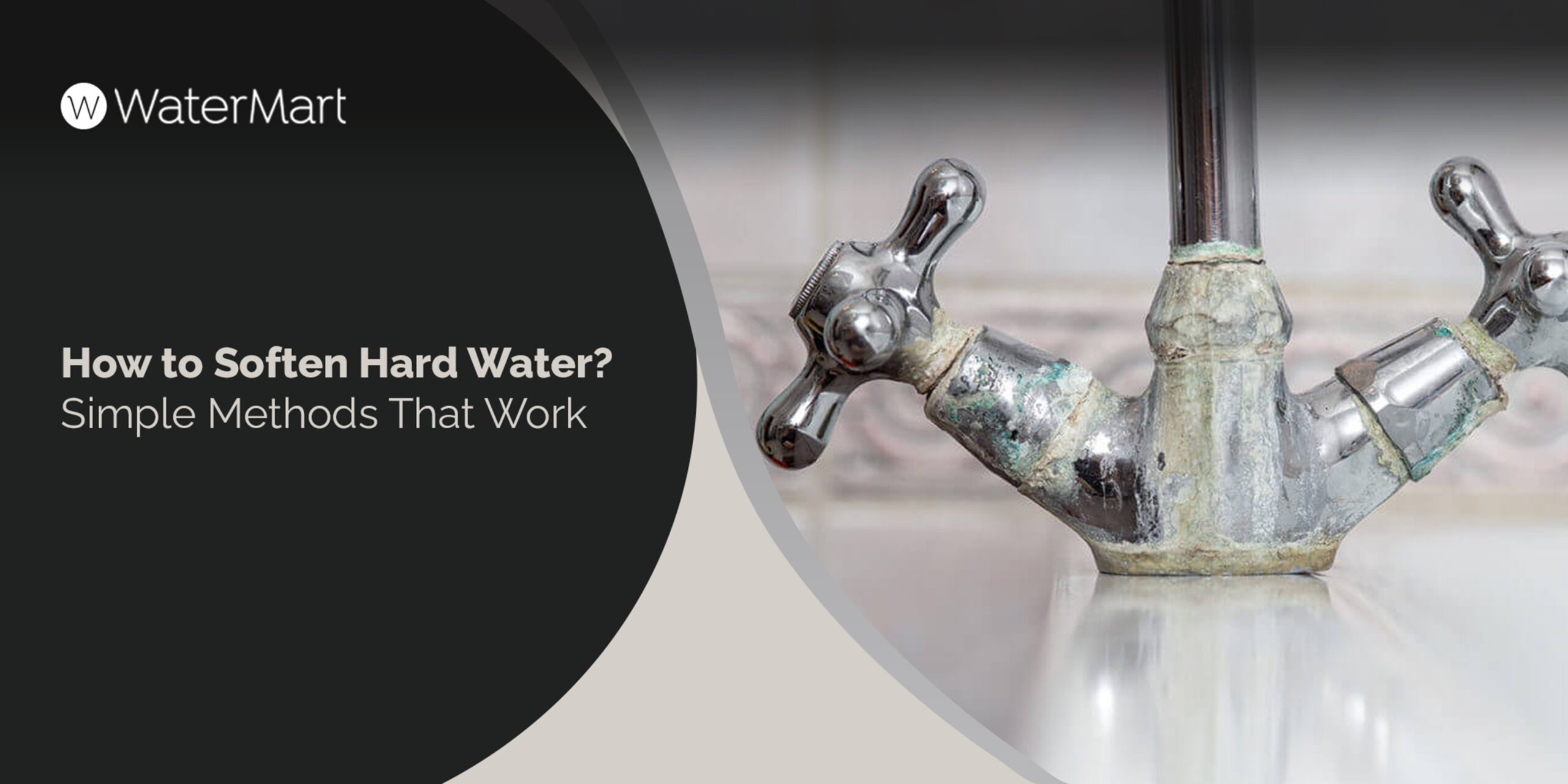
Look for any white chalky or crusty buildup on faucets, showerheads, sink basins, kettles, or appliance connections. They’re from hard water minerals that settle as water dries. Over time, they’ll gradually restrict flow and dull surfaces despite frequent cleaning.
Spots, Stains, and Soap Scum
Dishes and glassware drying with cloudy spots or bathtubs and showers creating slippery soap scum or rust-coloured stains returning quickly are all signs of hard water. They don’t go even after scrubbing.
Bathing Issues Caused by Hard Water
If showering or bathing does not feel pleasantly relaxing, it could mean that the water is ‘hard.’ Skin may feel tight, itchy, or irritated after bathing, while hair feels rough or brittle because minerals prevent soap and shampoo from rinsing clean and forming a proper lather.
Laundry Problems Caused by Hard Water
Clothing washed in hard water ends up looking and feeling stiff. They’ll lose colour faster and retain detergent residue. It happens because minerals reduce lathering and prevent detergents from fully breaking down dirt and oils.
Plumbing and Appliance Problems
Hard water also shows up as weak water pressure, slow-filling fixtures, and appliances that break down more often than expected. Ongoing mineral buildup inside pipes increases energy use and drives up water and utility costs over time.
How to Measure Water Hardness Levels
Visual signs mislead because hardness varies by location, and contaminants demand testing before choosing treatment. Here are ways to find
Check With Your Water Supplier or City
Municipal providers often share annual water reports listing hardness in ppm or gpg. These reports help to check hard water trends, giving a good baseline, though pipe conditions may alter tap water results. Always read reports carefully for your area.
Easy In-Home Tests
Simple home checks give fast clues when tools are unavailable. Soap tests, cloudy lather, weak suds, and white scale around fixtures help to tell if water is hard, but these methods estimate only and cannot replace measured hardness values accurately.
Using Tools and Kits
Home kits offer color charts or numeric readings in ppm or gpg that help homeowners match results to treatment needs. Test strips, liquid kits, and TDS meters translate mineral presence into ranges or values, making it a convenient way to know water is hard without labs. Follow the instructions given on the kits or tools for hard water testing at home.
Professional Testing
Professional laboratory testing delivers precise hardness figures when accuracy matters. Certified labs provide precise measurements in ppm or grains per gallon (gpg) to know the water hardness level confidently. WaterMart offers free professional water testing for accurate hardness readings and clearer guidance when equipment performance or treatment decisions depend on exact numbers.
How to Soften Hard Water at Home
Soft water makes daily chores easier and protects skin, hair, and appliances. Hard water treatment at home can be temporary with household items or long-term using professional systems. This guide explains how to fix hard water effectively and practically in your home.
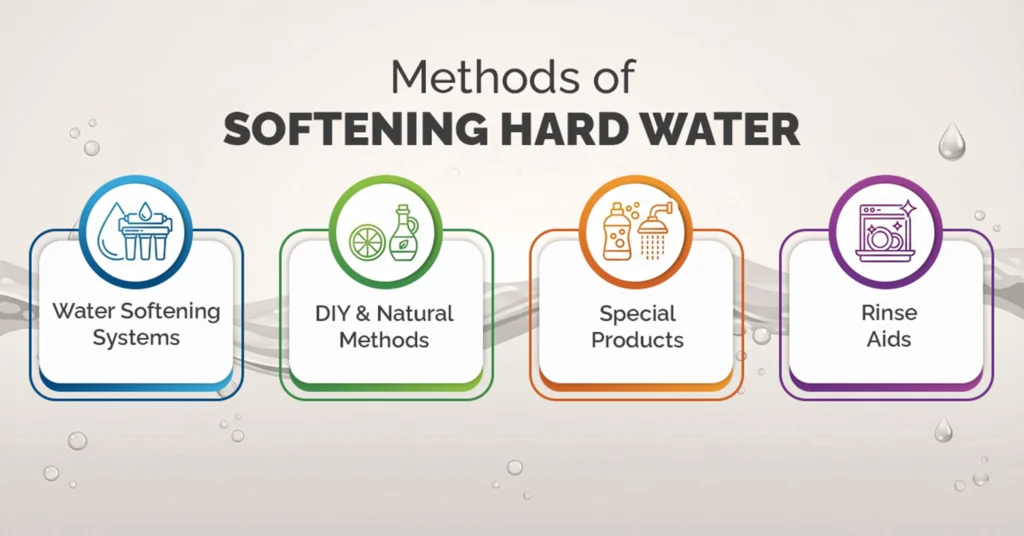
Using Water Softening Systems
The most effective option is a whole-home ion-exchange softener that removes calcium and magnesium before water reaches pipes. Another option is salt-free conditioners that limit scale without mineral removal. Reverse osmosis works best for drinking water only, while shower heads and faucet filters help specific outlets, not the entire home. Since system type and home size affect pricing, knowing how much a water softener costs can help you choose the right solution.
DIY and Natural Methods
For lighter issues, boiling water works only on temporary hardness found in small batches. Another simple method is baking or washing soda, which improves bathing or laundry results. Natural acids like vinegar or lemon help after use by breaking down residue. These methods are inexpensive and accessible, yet impractical for whole-home Canadian water.
Specialty Products for Hard Water
If comfort is the main concern, specialty products help manage symptoms. Chelating shampoos remove mineral buildup from hair but may feel drying. Another option is carbon filters that reduce chlorine and some metals. Epsom salts and aloe calm skin irritation. These help comfort and appearance, not water chemistry.
Rinse Aids and Additional Tips
Rinse aids, vinegar, citrus, showerhead filters, and baking soda reduce spots, streaks, and mineral buildup in dishes, laundry, and showers. These measures provide low-cost relief, though they require frequent upkeep. For complete hard water treatment at home, whole-house softeners remain at the jtop.
Long-Term Tips for Managing Hard Water
After years of field testing and industry work, these proven, practical methods help control hard water long term without confusion or unnecessary system mistakes.
Regular Water Hardness Testing
Test household water regularly using strips for quick checks or lab analysis for accuracy. You can adjust softener settings, confirm system performance, and catch changes from municipal or well supply shifts.
Choose the Right Softening System
Evaluate your home’s need. Do you need whole-house systems for comprehensive protection? Or just targeted systems for specific points like kitchens or bathrooms. Experts at WaterMart recommend using salt-based units for full mineral removal, salt-free conditioners for scale control without sodium, reverse osmosis for drinking taps, and whole-home systems for plumbing and appliance protection. Book a free consultation today.
Maintain Your Water Softener
It doesn’t end with choosing or installing a water softener, as it needs maintenance. Check brine salt monthly, keep levels above water, clean the tank yearly, follow manufacturer service guidance, and use approved salt only. Schedule professional inspections.
Prevent Scale Buildup in Plumbing and Appliances
Aside from monthly maintenance, take extra steps. Install sediment filters, clean appliances with vinegar or descalers, set the water heater to 120°F, and insulate pipes. Doing so reduces mineral deposits, improves efficiency, and extends plumbing and appliance lifespan.
Conclusion
Hard water problems persist until the water softens. Understanding how to soften hard water matters for long-term results. From testing hardness levels to choosing proven softening systems and maintaining them properly, every step affects water quality, plumbing health, and daily convenience. Not every solution works the same, and quick fixes often fall short. Accurate testing is the starting point for real answers. Book a free water hardness test through WaterMart. We’ll help identify your exact water conditions, so the solution fits your home, usage, and local water source without guesswork.
FAQs About How to Soften Hard Water at Home
Yes. Baking soda can reduce hard water effects by raising pH and limiting calcium reactions. It improves soap lather for small tasks, but it does not remove hardness permanently.
Yes. Hard water leaves white mineral scale inside bottles as water sits or evaporates. This buildup is harmless but affects taste and appearance and needs acidic cleaning to remove.
Yes. Excess minerals interfere with flavor extraction, making coffee or tea taste flat, bitter, or metallic. Moderately softened water gives better balance and clearer taste notes.
No, hard water dries both skin and hair. Minerals reduce soap performance, leave residue, and can worsen skin or scalp conditions.
Hard water can stress soft-water fish and cause mineral deposits on equipment. Some species prefer it, so matching water hardness to fish type is essential for health.
Yes. Over time, minerals can raise soil pH, block nutrient uptake, and cause yellowing or slow growth. Acid-loving plants suffer the most from hard water exposure.
Yes, as the minerals present can react with soaps to form residue. It ends up reducing lather and cleaning power, causing all sorts of cleaning or skin issues.
Yes. Mineral scale coats heating elements, reducing heat transfer. The heater works longer to warm water, using more energy and shortening appliance’s lifespan.
Hard water creates scale that clogs parts, lowers efficiency, and releases white dust from humidifiers. Appliances wear faster and need frequent cleaning or early replacement.