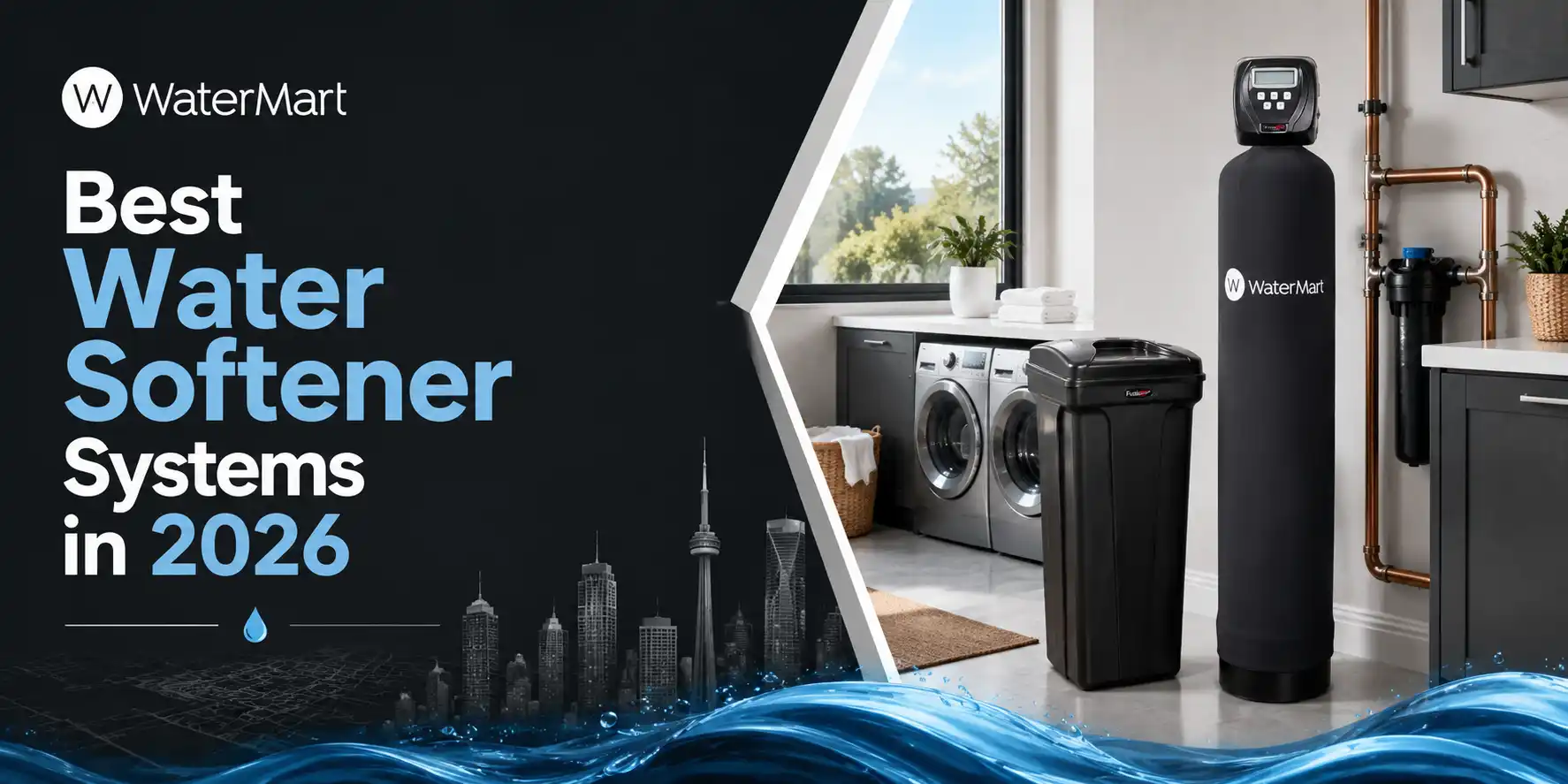
Best Water Softener Systems of 2026 | Buyer’s Guide & Industry Breakdown
The best water softener system for your household in 2026 depends on your unique water conditions, budget, and household needs. Brands like WaterMart, Culligan, and Kinetico have options for most modern homes. The most direct solution for hard water is usually a suitably sized salt-based ion-exchange softener.
Selecting the best water softener is not simply about finding the highest-rated model or the largest grain capacity. The right system depends on your home’s water hardness, household size, daily water use, plumbing setup, maintenance costs, and installation costs.
With so many factors to consider, we can help you select the most efficient water softener for your needs. This water softener buying guide compares seven popular systems and explains what comprises a suitable softener for your home. You’ll also get practical recommendations for different household issues, sizing guidance, and how to shortlist the top-rated water softeners:
Key Takeaways
- The best water softener depends on your home: Water hardness, household size, daily water consumption, peak flow demand, plumbing setup, and budget should all influence your choice.
- Salt-based ion-exchange softeners are the standard for true softening: They remove calcium and magnesium, making them the better choice when your primary concern is hard water.
- WaterMart’s Pro-Grade Softener is our top overall choice for GTA homeowners: Metered regeneration, multiple sizing options, professional installation, and local support make it a strong fit for Canadian homes.
- Not every “water softener” actually softens water: Salt-free conditioners such as SpringWell FutureSoft help control scale but do not remove calcium and magnesium like a conventional ion-exchange softener.
- Always test your water and size the system correctly before buying: A high grain capacity alone does not make a system better. The right combination of capacity, flow rate, regeneration efficiency, and local service is more important.
Water Softener Comparison Table
The table below compares the seven systems from the top water softener brands available in Canada. Have a glance at it before moving on to the details of the different systems:
| System | Best For | Type | Grain Capacity | Flow Rate | Warranty | Approx. Price |
| WaterMart’s Pro-Grade Softener | GTA homes | Salt-based, metered | Multiple sizes | System-specific | 5 years | $1,500–$3,500 (Quote-based) |
| SpringWell SS1 | Small to medium homes | Salt-based, metered | 32,000 grains | 11 GPM | Manufacturer warranty | $1,800–$2,400 |
| SoftPro Elite | Well water and high-hardness applications | Salt-based | 32,000–64,000 grains | Configuration-specific | Lifetime limited warranty | $1,900–$3,000 |
| Fleck 5600SXT | Value-conscious homeowners | Salt-based, metered | Configuration-specific | Up to 20 GPM valve flow | System-dependent | $1,260–$2,150 |
| Kinetico Premier | High water demand and continuous soft water | Salt-based, twin-tank | Model-specific | Model-specific | 10 years on Premier XP | $4,500–$8,000+ (Quote-based) |
| Whirlpool WHES40 | Medium-sized households | Salt-based, metered | 40,000 grains | Model-specific | Up to 10 years on tank | $740–$950 (Retailer-dependent) |
| SpringWell FutureSoft | Salt-free scale control | Salt-free conditioner | Not applicable | Up to 20 GPM, model-dependent | Lifetime limited warranty | $2,000–$2,700 |
This comparison includes a salt-free conditioner because it is frequently marketed alongside traditional softeners. However, keep in mind that the SpringWell FutureSoft is not a true water softener. It’s a good option for scale control without salt or regeneration, but it is not to be compared directly with an ion-exchange softener when the goal is to remove hardness minerals.
Key Features of the Best Water Softeners in 2026
If you’re wondering what to look for in a water softener, remember that not all models are equally efficient or convenient. The best water softener recommendations are based on effective hardness removal with easy maintenance, easy operation, and considering modern Canadian households.
Let’s have a closer look at what the best water softener brands have to offer:
1. WaterMart’s Pro-Grade Softener
For GTA homeowners, WaterMart’s Pro-Grade Softener has the notable advantage of coming from a local water-treatment company. WaterMart offers a free water test and has several technicians with knowledge and expertise regarding local water concerns. The professional installation and services here are especially useful when the system needs to deal with local water hardness, household demand, and existing plumbing.
The system uses metered, demand-based regeneration, which means regeneration is based on water consumption rather than a fixed schedule. This helps you avoid unnecessary regeneration and reduces salt and water use.
Specs
- Available in multiple configurations.
- Operating pressure of 20–120 PSI.
- Smart metered regeneration.
- Five-year warranty.
- Promotes salt and water efficiency.
Pros:
- Local GTA service.
- Professional installation.
- Multiple sizing options.
- Metered regeneration.
- Five-year warranty.
- Ongoing support.
Cons:
- No standard public equipment price.
- Requires a quote to compare the total cost with online alternatives.
Who Should Buy It?
This system is a strong choice for homeowners looking for the best home water softener with professional local assessment and installation.
2. SpringWell SS1
The SpringWell SS1 is a salt-based system designed for smaller residential applications. Its metered control means the system bases regeneration on water use rather than at fixed intervals. Overall, it’s a practical choice for homeowners seeking a conventional salt-based water softener system and direct equipment purchase.
Specs
- 32,000-grain capacity.
- 11 GPM service flow rate.
- 1-inch connection.
- Operating pressure of 25–80 PSI.
- Designed for homes with one to three bathrooms.
- Demand-based regeneration.
- Larger versions available:
- SS4: 48,000 grains and 13 GPM for four to six bathrooms.
- SS+: 80,000 grains and 20 GPM for seven or more bathrooms.
Pros:
- Good residential flow rate.
- Demand-based regeneration.
- Multiple size options.
- Straightforward salt-based design.
Cons:
- Advertised pricing is primarily in US dollars.
- Canadian buyers need to account for currency conversion and other costs.
Who Should Buy It?
The SS1 is suitable if you’re looking for a softener for routine home use and your household has moderate water demand. It’s also a good choice for homeowners who want to purchase equipment directly.
3. SoftPro Elite
SoftPro Elite has a range of capacities and offers high-efficiency operation. It is particularly useful if you want the best water softener for well water, since it includes configurations designed for well-water conditions.
This system can also be paired with other treatment equipment if your water hardness is accompanied by iron, sulfur, or other well-water concerns.
Specs
- Available in 32,000-, 40,000-, 48,000-, and 64,000-grain configurations.
- High-efficiency operation.
- Lifetime limited warranty.
- Well-water configurations available.
- Resin options designed for greater resistance to iron-related fouling.
- Can be paired with additional treatment equipment for iron, sulfur, and other well-water concerns.
Pros:
- Multiple capacity options.
- Well-water configurations.
- High-efficiency operation.
- Lifetime limited warranty.
- Flexible sizing.
Cons:
- Pricing is primarily listed in US dollars.
- Canadian homeowners need to consider shipping, taxes, installation, and local service.
Who Should Buy It?
SoftPro Elite is worth the investment for homeowners with high water hardness levels, well water sources, or additional iron and sulfur concerns. It is also among the top-rated water softeners based on efficiency and customization.
4. Fleck 5600SXT
The Fleck 5600SXT is different from many other packaged consumer systems due to its control valve and metering technology within a complete softener system. The tank size, resin quantity, grain capacity, and final performance depend on the complete configuration. This feature makes Fleck popular among homeowners seeking a proven control platform and flexibility in system configuration.
Specs
- Residential configurations available in different tank sizes and capacities.
- Metered operation.
- Continuous service flow rating of up to 20 GPM, depending on configuration.
- Complete systems available from Canadian suppliers.
- Example Canadian price: C$1,329.99 for a complete system listed by Aquatell.
- Final performance depends on tank size, resin quantity, grain capacity, and overall configuration.
Pros:
- Flexible configuration.
- Established control technology.
- Metered regeneration.
- Canadian availability.
- Relatively accessible equipment pricing.
Cons:
- The valve alone is not enough to compare complete systems.
- Buyers need to consider tank size, resin, capacity, and installation.
Who Should Buy It?
This system is a suitable option for homeowners in search of the best budget water softener.
5. Kinetico Premier
The Kinetico Premier is highly rated for its twin-tank design. Unlike a conventional single-tank, a twin-tank system continues providing softened water while the other tank regenerates.
Kinetico also uses non-electric, demand-operated technology. It doesn’t rely on a conventional electrical timer to decide the regeneration time.
Specs
- Twin-tank design.
- Designed for residential applications with higher water demand.
- Continuous soft-water availability while the other tank regenerates.
- Non-electric operation.
- Demand-operated regeneration.
- Exact capacity and flow specifications vary by model.
- 10-year warranty according to Kinetico’s Canadian product information.
Pros:
- Continuous soft-water availability.
- Twin-tank design.
- Non-electric operation.
- Demand-based regeneration.
- Strong warranty coverage.
Cons:
- Generally quote-based pricing.
- Higher upfront cost than many basic single-tank softeners.
Who Should Buy It?
The Kinetico Premier is a practical candidate for the best whole house water softener for large households, homes with high or unpredictable water usage, or homeowners who prefer continuous soft-water availability.
6. Whirlpool WHES40
The Whirlpool WHES40 is a residential softener for households requiring a conventional system with a defined capacity. Its 40,000-grain rating puts it in the range commonly considered for medium-sized households.
Specs
- 40,000-grain capacity.
- Designed for homes with up to five people.
- 10-year tank warranty.
- Three-year warranty for electronic components.
- One-year warranty for parts and labor.
- Metered operation.
- Exact flow performance depends on the specific model.
Pros:
- 40,000-grain capacity.
- Metered operation.
- Familiar consumer brand.
- Straightforward residential design.
Cons:
- Local installation depends on where the unit is purchased.
- After-sales service depends heavily on the retailer or supplier.
Who Should Buy It?
The WHES40 is a worthy choice for homeowners looking for the best residential water softener with a conventional design. It’s also available for retail purchase, so anyone looking for a quick solution can probably purchase this system easily.
7. SpringWell FutureSoft
FutureSoft is counted among the best salt-free water softener systems today, but keep in mind that it’s technically a salt-free water conditioner. Instead of exchanging hardness-causing ions for more beneficial ones, it helps reduce scale formation without the use of salt or regeneration.
Specs
- Salt-free water conditioner.
- Available in different configurations.
- Flow rates reach up to 20 GPM, depending on the model.
- Does not have a grain capacity.
- Does not remove calcium and magnesium through ion exchange.
- Does not use salt or require regeneration.
- Designed to reduce scale formation.
Pros:
- No salt required.
- No brine tank.
- No regeneration cycle.
- Low ongoing maintenance.
- Provides scale control without salt.
Cons:
- Does not remove calcium and magnesium from the water.
- Not a replacement for a conventional water softener when true softening is required.
Who Should Buy It?
This system will suit homeowners requiring scale control without salt. Understand the difference between conditioning and softening before finalizing any purchase.
How Did We Rate the Top Water Softeners?
We rated systems above based on the factors that affect how well a softener works in a real home, rather than relying only on ratings or marketing. Some of these factors are:
- Softening capacity
- Flow rate
- Regeneration method
- Salt and water efficiency
- System design
- Warranty coverage
- Maintenance requirements
- Availability in Canada
- Overall value
We also considered how suitable each system is for different situations. A system that works for a small city home will probably not be the best water softener for extremely hard water or a large household. Similarly, a salt-free conditioner cannot perform like true ion-exchange softeners if the goal is to remove hardness minerals.
What Makes a Water Softener “Best” in Canada?
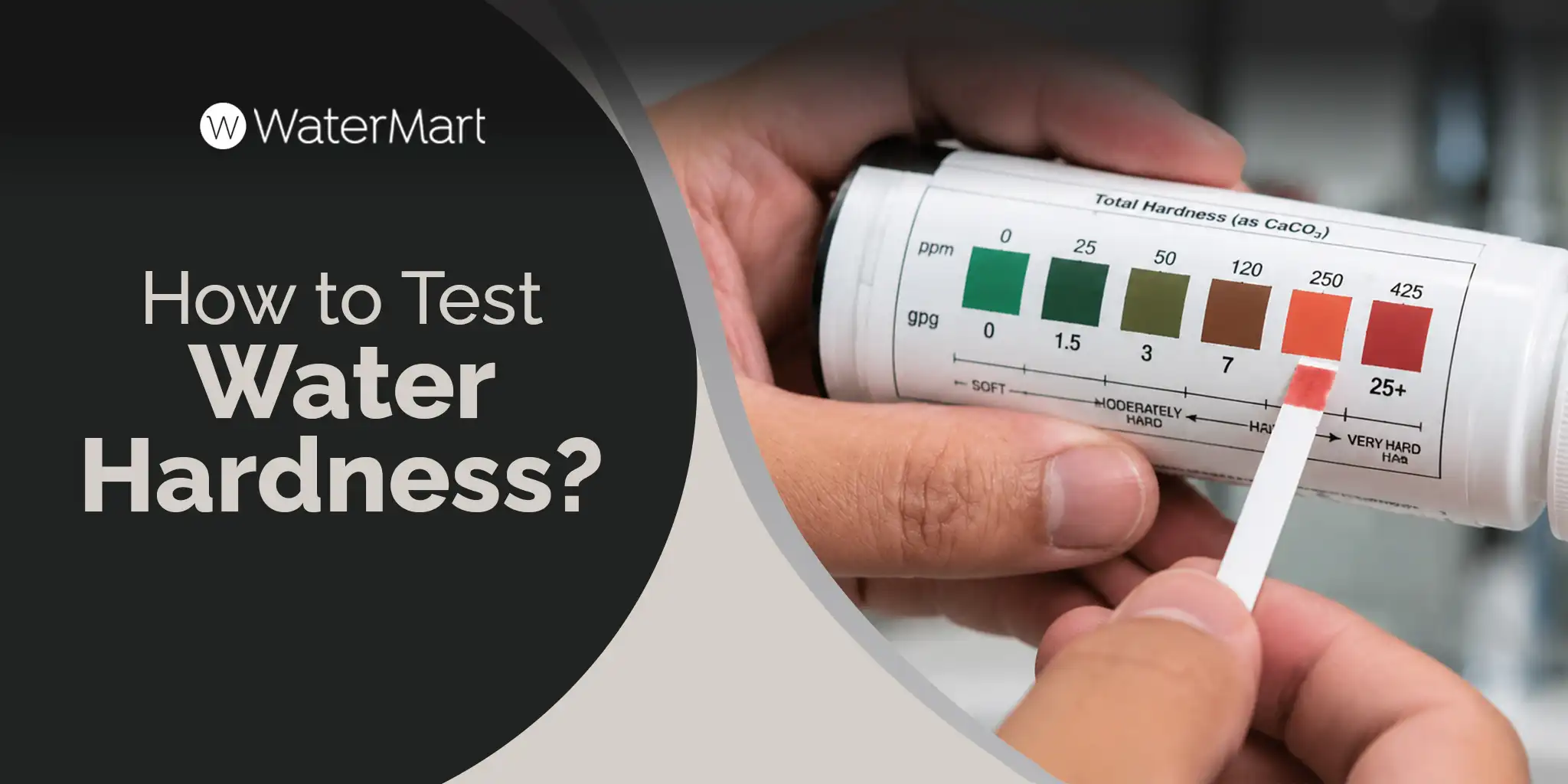
The best water softener for home use is the one that matches your home’s water demand. Start by determining the water hardness, then consider the number of people in the household and how much water they typically use. Health Canada explains that calcium and magnesium are the primary contributors to water hardness and that hardness can affect plumbing, appliances, and soap performance.
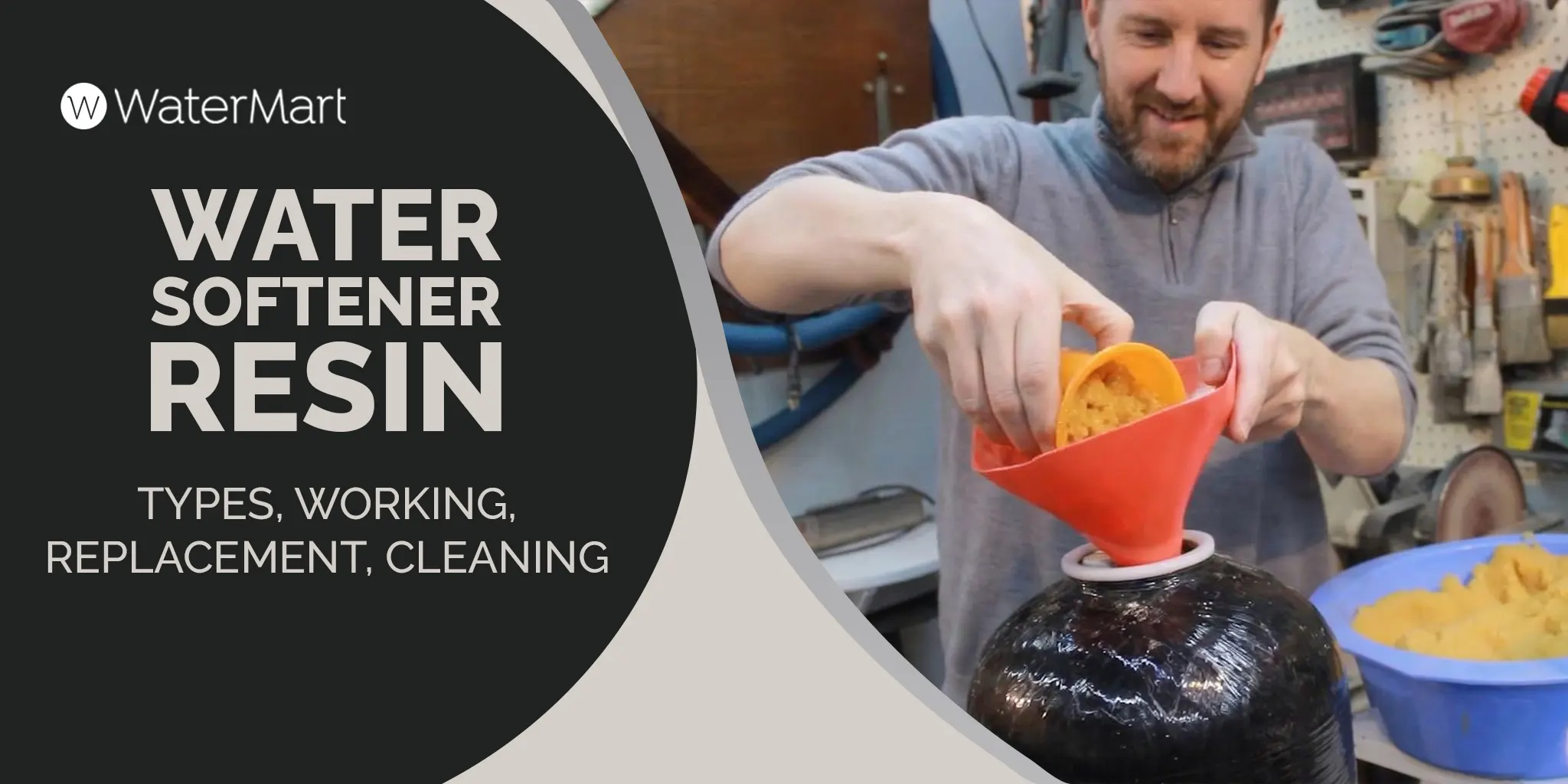
Grain capacity is an important factor: it indicates how much hardness a system can handle before regeneration. However, a high grain rating alone does not mean a softener is better than all others. The most reliable water softener system also needs an adequate service flow rate to supply water to appliances and faucets without an unnecessary pressure drop.
The regeneration method also matters. Metered systems monitor water consumption and regenerate based on demand. This setup is likely more efficient than systems that regenerate on a fixed schedule. Resin quality, available installation space, plumbing connections, salt consumption, and maintenance requirements are other important factors, so consider them all before making any decisions.
A system requiring specialized parts or parts from a distant supplier can be hard to maintain. That’s why a local supply of ready-to-use systems and parts is important for most Canadian homeowners.
Which Water Softener Do Our WaterMart Experts Recommend?
There is no single best water softener system for every home. The right recommendation depends on water hardness, household size, peak water demand, installation conditions, and whether the home uses municipal or well water.
Here is how the systems in our comparison guide fit different needs:
- Best Overall for Homes–WaterMart’s Pro-Grade Softener: A strong choice for GTA homeowners requiring professional assessment, installation, local support, and demand-based regeneration.
- Best for Large Families or High Water Demand–Kinetico Premier: The twin-tank design provides continuous access to soft water and suits homes with heavy or fluctuating water use.
- Best for Maximum Salt & Water Efficiency–WaterMart’s Pro-Grade Softener: The metered system will allow regeneration according to actual water use and limit unnecessary salt and water consumption.
- Best Budget-Friendly Option–Fleck 5600SXT: This is a flexible option with complete systems available from Canadian suppliers at comparatively accessible equipment prices.
- Best for Well Water–SoftPro Elite: Its well-water configurations make it a practical option when hardness is accompanied by other well-water concerns.
- Best Salt-Free Option–SpringWell FutureSoft: A suitable choice for homeowners wanting scale control without salt.
- Best for 24/7 Soft Water–Kinetico Premier: Its twin-tank configuration allows one tank to provide soft water while the other regenerates.
How to Size a Water Softener?
Sizing a whole house water softener requires three main pieces of information:
- Your water hardness levels
- The household water use
- The desired regeneration frequency. A larger household with harder water generally needs greater capacity than a small household with moderately hard water.
Grain capacity should be large enough to handle your expected hardness load without forcing the system to regenerate too frequently. At the same time, choosing an unnecessarily large unit can increase the initial cost and take up more installation space.
Flow rate is also important. A home with several bathrooms or simultaneous showers and appliances needs a system that can handle higher peak demand.
To work through these factors in more detail, calculating the right water softener size for your home can help you avoid choosing a system that is either too small or unnecessarily large.
Do You Need a Water Softener or a Different Water Treatment System?
A water softener is designed specifically for hard water, primarily by removing calcium and magnesium through ion exchange. If hardness is not your main concern, installing a softener does not automatically solve the water-quality problem.
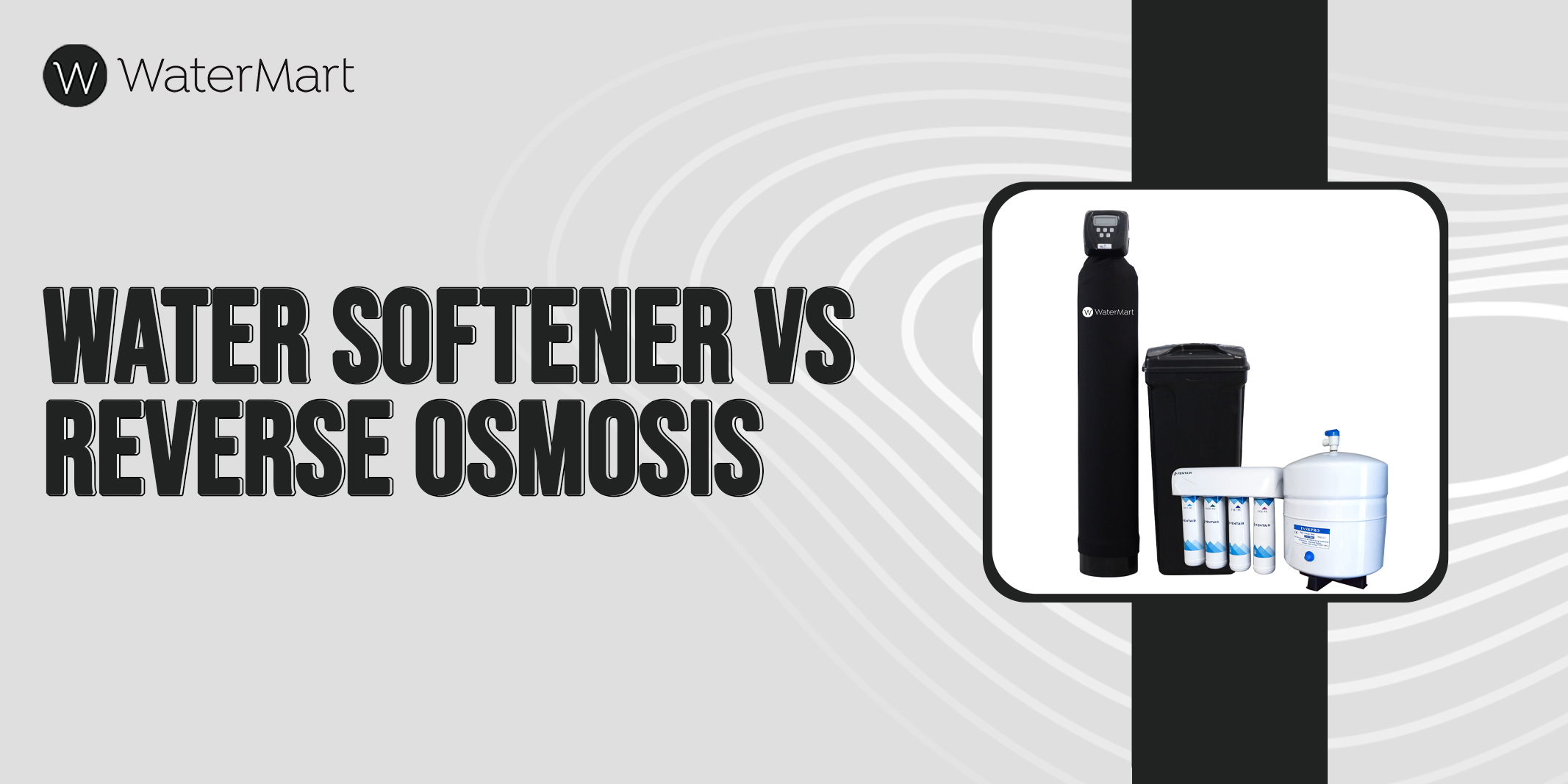
For example, reverse osmosis is commonly used to improve drinking water at a specific faucet. Whole-home filtration can target sediment, chlorine, taste, odor, or other contaminants depending on the filtration media. A salt-free conditioner focuses on reducing scale rather than removing hardness minerals.
Your water test should therefore come before your equipment choice. Once you know what is actually in your water, you can select the treatment technology that addresses the specific problem rather than paying for a system you do not need.
Frequently Asked Questions
What is the best water softener for Ontario homes?
There is no single best home water softener for Ontario households. Water hardness levels can vary between communities, with each household also having unique water usage patterns. Installation requirements, available space, household size, and local water conditions are all important factors to consider as well.
A suitably sized, metered ion-exchange softener is a generally viable choice when the main concern is hard water.
Do I need a water softener if I’m on city water?
City water or municipal water can be hard, but not necessarily to a point where you require a water softener. Check the hardness levels of your local water and look at the annual reports, then look around your home for telltale signs of hard water. These signs include spots on glassware, white scale buildup on faucets, dry skin, dry hair, itchy scalps, or limited soap lather.
A water test can also provide a reliable basis for determining whether your water needs treatment. Many homeowners choose to get a water softener system to get better water for their skin, hair, overall home aesthetic, and better soap plus detergent effectiveness.
Are salt-free water softeners actually softeners?
No, even the best salt-free water softeners are usually water conditioners than true softening systems. A conventional ion-exchange softener removes calcium and magnesium ions from the water and replaces them with ions of elements such as potassium and sodium. A salt-free conditioner does not remove hardness minerals but changes how the minerals behave. As a result, you get water that won’t cause too much scale buildup.
If you specifically require softer water for bathing, laundry, appliances, and plumbing, a proper ion-exchange softener is necessary.
Which is the best brand for water softeners?
Different companies offer different systems, service models, warranties, and installation options. WaterMart is particularly relevant for GTA homeowners because it provides locally supported water-treatment solutions. Kinetico is known for its non-electric, twin-tank systems, while Culligan offers several water-treatment options and service plans.
Overall, the best water softener for homes depends on the capacity, efficiency, price, warranty, and long-term service offered by the provider.
What certifications should I look for in a water softener?
For a conventional ion-exchange softener, NSF/ANSI 44 is the key standard. It applies to cation-exchange water softeners and covers performance requirements related to water hardness reduction and other system characteristics.
Do not rely solely on a statement that a product is “tested” or “certified.” Check the organization behind the certification to see if it applies to the model you are considering.
Final Verdict on Top-Rated Water Softeners
The best water softener is not always the one with the highest grain capacity, the longest warranty, or the lowest price. Instead, the right choice is the system that can deal with your specific water hardness, household demand, plumbing system, budget, and maintenance preferences.
For GTA-based homeowners seeking professional local support, WaterMart’s Pro-Grade Softener is the best overall option. Kinetico Premier stands out for continuous soft-water availability, Fleck 5600SXT offers flexibility and value, while SoftPro Elite is a good option for well-water applications. SpringWell FutureSoft is appropriate if you want scale control without salt rather than true softening.
Before buying, test your water, determine your property’s demand, compare the total costs, and verify the specifications and certifications of your shortlisted systems. If you’re ready to explore your options, WaterMart’s whole-home water softening systems are a great starting point for finding a system suited to your property’s water conditions.