How Do I Know If My Water Softener Is Working
Moving to a place where a water softener is pre-installedpre installed can make you think about whether the water softener is working or not. The first thought that comes to your mind is “how do I know if my water softener is working”? JIf your home receives hard water, a water softener plays an important role in protecting your skin, appliances, and plumbing. However, just having a water softener is not enough; unless it is functioning and providing you the quality of water you need.
So there are a few tips and tricks that you can use at home to check if your water softener is working. You can also call an expert, but here are the steps you may take to check its functioning on your own.
Clear Signs Your Water Softener Is Working Properly
The clear signs that your water softener is working properly include a soft feel, no scum, less hand drying, and no white spots on dishes, and all other factors that you get in hard water otherwise. Here is the complete detail of all the signs that help you know that your water softener is working fine.
Water Feels Soft on Your Skin
When you wash your hands or shower, softened water feels smooth and a little bit slippery. You also notice that your skin looks clean without becoming dry or tight after you are done washing your hands. It is a clear sign that if you don’t feel dry or itchy at your skin after a shower, your water softener is working well.
Soap and Shampoo Lather Easily
Hard water does not make a good amount of lather because of calcium and magnesium present in it. So you need to check the amount of lather your soap produces. If you get a good amount of lather without using extra soap, it is a strong sign that the water softener is working fine.
No White Spots or Scale Buildup
If your water is hard, you will get white spots and chalky scales on faucets, sinks, showerheads, and tiles. See if your kitchen and bathroom surfaces stay cleaner and are easier to wipe down, your water softener is able to remove the minerals effectively.
Laundry Feels Softer and Looks Brighter
Hard water minerals can make clothes feel stiff and appear dull over time. With softened water, laundry feels softer, colors remain brighter, and detergents work with good efficiency. If you notice an improvement in your clothes after washing, your softener is doing its job.
Less Skin Irritation And Dryness
People who use softened water face less skin irritation. If your skin and scalp feel less itchy and dry, especially after showers, it’s another sign your water softener is functioning properly.
Improved Water Taste
Hard water can have a metallic or unpleasant taste. While a water softener does not purify water, it often improves taste by removing excess minerals. If your water tastes cleaner, your system is likely working.
What happens when a water softener fails?
You may notice problems if your water softener fails or stops regenerating properly. These are common water softener issues that should not be ignored. You can look for these common signs as a clear indication thatof your water softener is not working well.
- Water feels hard again
- Soap and shampoo do not lather
- You see Scale buildup around the pipes
- Towels and clothes feel stiff
- Skin becomes dry or itchy
- Hardness test shows mineral presence
- Salt level in the brine tank is consistent
- The system regenerates too often or not at all
In most cases, these issues occur due to skipped or improper maintenance of the water softener.
Simple At-Home Tests to Check If the Water Softener is Working
Before you call a technician or wonder whether plumbers repair water softeners, , run the following tests at home.
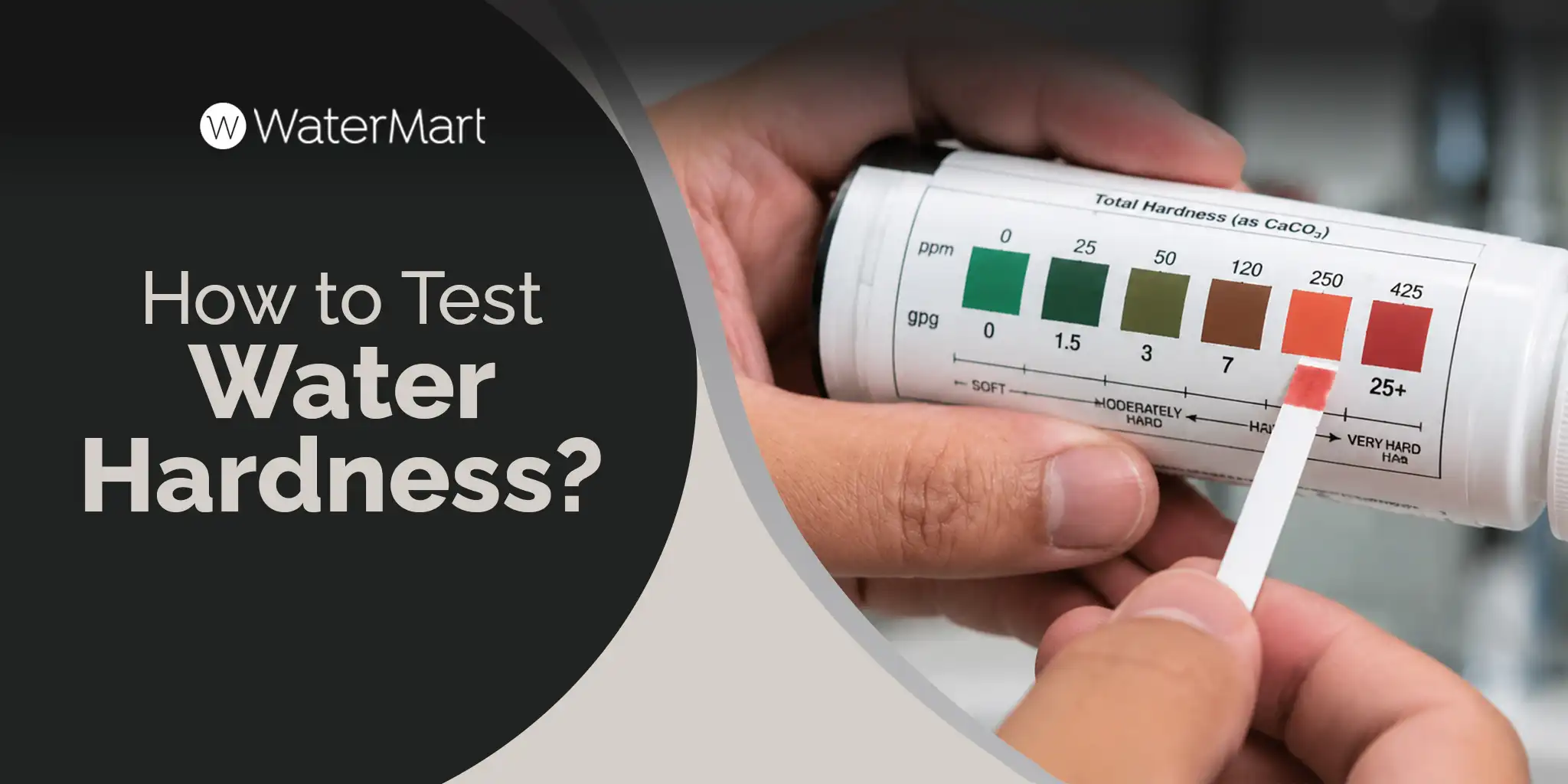
Hard Water Test Strip
Water hardness test strips are easily available. Dip one into your tap water and compare the result to the chart. If hardness levels are high, your water softener may need servicing.
Soap Lather Test
Fill a bottle with water and add a few drops of liquid soap. Shake it well. If the soap lathers easily, the water is softened. If it remains cloudy with little foam, the water is likely hard.
Visual Scale Test
Check faucets, showerheads, and sinks for white mineral buildup. Persistent scaling usually means the softener is not functioning properly or needs salt replenishment.
Comparing Softened vs Unsoftened Water
Take a sample of input water (hard) and the output water (soft) and run a hardness strip test for both samples. Check the results and compare them, if you get the same hardness for both, it shows the water softener is not working.
Common Reasons a Water Softener Stops Working
To understand why a water softener may fail, you need to know how it works. Water softeners use resin beads charged with sodium ions. This is also the stage where people often get confused about whether the system actually adds salt to water or not. As hard water passes through the system, calcium and magnesium are exchanged for sodium, producing softened water. The system regenerates using salt stored in the brine tank. Your water softener may stop working because of the following reasons.
Incorrect Settings or Programming
Incorrect time or hardness settings can prevent proper regeneration. A professional can easily correct this.
Wrong Hardness Level Set
Suppose you have set the required water hardness too high or low, your water softener stops working because of its built in hardness level settings.
Clogged or Old Resin Beads
Over time, resin beads can become dirty, old, or worn, reducing their ability to remove minerals. In such cases, resin cleaning or replacement may be required.
Valve or Control Head Problems
Mechanical parts can wear out with long-term use. Regular servicing helps prevent major failures.
Drain Line Issues
Salt and mineral buildup can clog the drain line which does not let the water softener regenerate the way it should. To get rid of this problem, annual cleaning is recommended.
Old or Undersized Water Softener
As household water usage increases, an older or smaller system may no longer meet demand. In such cases, upgrading to a larger system is often the best solution.
When Your Water Softener Needs Service or Replacement
If you get rust in your softened water, or see the signs of hardness on your appliances, dishes, hair, or skin, it shows your water softener needs maintenance, a resin bead change, or a salt change.
A water softener usually lasts over 15 to 20 years if you keep regular maintenance of it, and know how to use it well. We recommend getting professional help if you are stuck and need the right fix to maintain the longevity of your water softener.
In case you have performed all troubleshooting practices at home and still you are unable to predict your water softener’s behaviour, call an expert. Our technicians at Watermart help you handle your water softener from regular maintenance to diagnostics or fixing any errors you come across. Call us today and get your water softener checked thoroughly.
FAQs on How to tell if your Water Softener is Working
Though the water softener starts working instantly right after you install it. But it takes a few days or a week to start softening the cold water and give you fully softened water. Hot water supply is possible even after a few days, as the water softener system replaces the whole water with the softened water, which takes a few more days to provide water at full supply.
You can run a water hardness test to check whether your water softener is working right or not. The best way is to check the water before softening and compare it with the water that you get after it is softened from your whole water softening system. Comparing both water samples and checking their hardness levels can tell the exact condition of your water softener.
Yes, a water softener can suddenly stop working for many reasons. These reasons can be salt build-ups (either bridges or crusts), a malfunctioning motor or valve, power loss, clogs or many others, resulting in sudden shut down of the water softener.
Run a full check-up of your water softener and see the signs whether the problems can be fixed or not. If you see that your water softener is not working well, even after all the maintenance steps, or is still giving hard water, or it is quite old (Above 15 years) or has outgrown your home’s water needs, you need to change the water softener immediately. We recommend calling an expert and getting a better idea.
You can check a water softener by checking the hardness levels of before and after softening water (compare input and output water, checking the lather of water, scale build-ups and the smooth effect of the water. If you see any signs of water hardness, it shows your softener is not working.
Check the brine tank of the water softener and see if the salt is decreasing or not. A normal or predictable salt decrease shows that the water softener is using the salt.
It depends on how far the faucets are from your softener. The soft water may take a few seconds, a few hours or even some days to reach the faucets, depending upon the distance and the type of your water softener system.
Soft water needs less soap to make lather, while hard water uses more soap to make the lather. So if your water is making less lather, it’s hard and not being soft properly.
Wrapping Up
Thinking about how to tell if your water softener is working? Here are simple at home things you can do. Firstly see the lather of your soap and check if it is good in amount without using too much product or not?
Secondly, see the signs if your dishes and floors are clean and there are no white or chalky scale build ups around your faucets, sanitary fixtures, dishwashers, water heaters and other appliances.
You can also run a water hardness test, compare input and output water and make a clear judgement about the working of your water softener. Also, if you have done all the tests at home, and now you need professional help, call us at watermart to get the right advice you need to keep your water softener working well.