Can You Drink Tap Water in Toronto?
Toronto is one of the most populated cities in Canada, with 9 million people living in it, having highly dense trees, and people from more than 200 ethnicities.
With rich demographics, and having more than 25000 lakes, rivers, and water streams, the whole city is supplied with water from Lake Ontario.
Though the Ministry of Environment, Conservation, and Parks maintains the water quality, the lake’s water is pulled through a thick network of pipes, treated, and added with chlorine, fluorides, ammonia, and other cleaners to remove contaminants and improve overall quality. But is it safe to drink tap water in Toronto?
Whether you’re new to Toronto or a lifelong resident, the question often arises: Is tap water in Toronto safe to drink? In this discussion, we’ll explore the water quality, potential impurities, health risks, and the financial costs associated with drinking tap water in Toronto.
Can You Drink Toronto Tap Water?
Yes, Toronto tap water is generally safe to drink. The City of Toronto treats and regularly tests its water to meet Ontario’s drinking-water standards before it reaches homes and businesses. However, water quality can be affected by older pipes, lead service lines, or plumbing inside your home after the water leaves the municipal system.
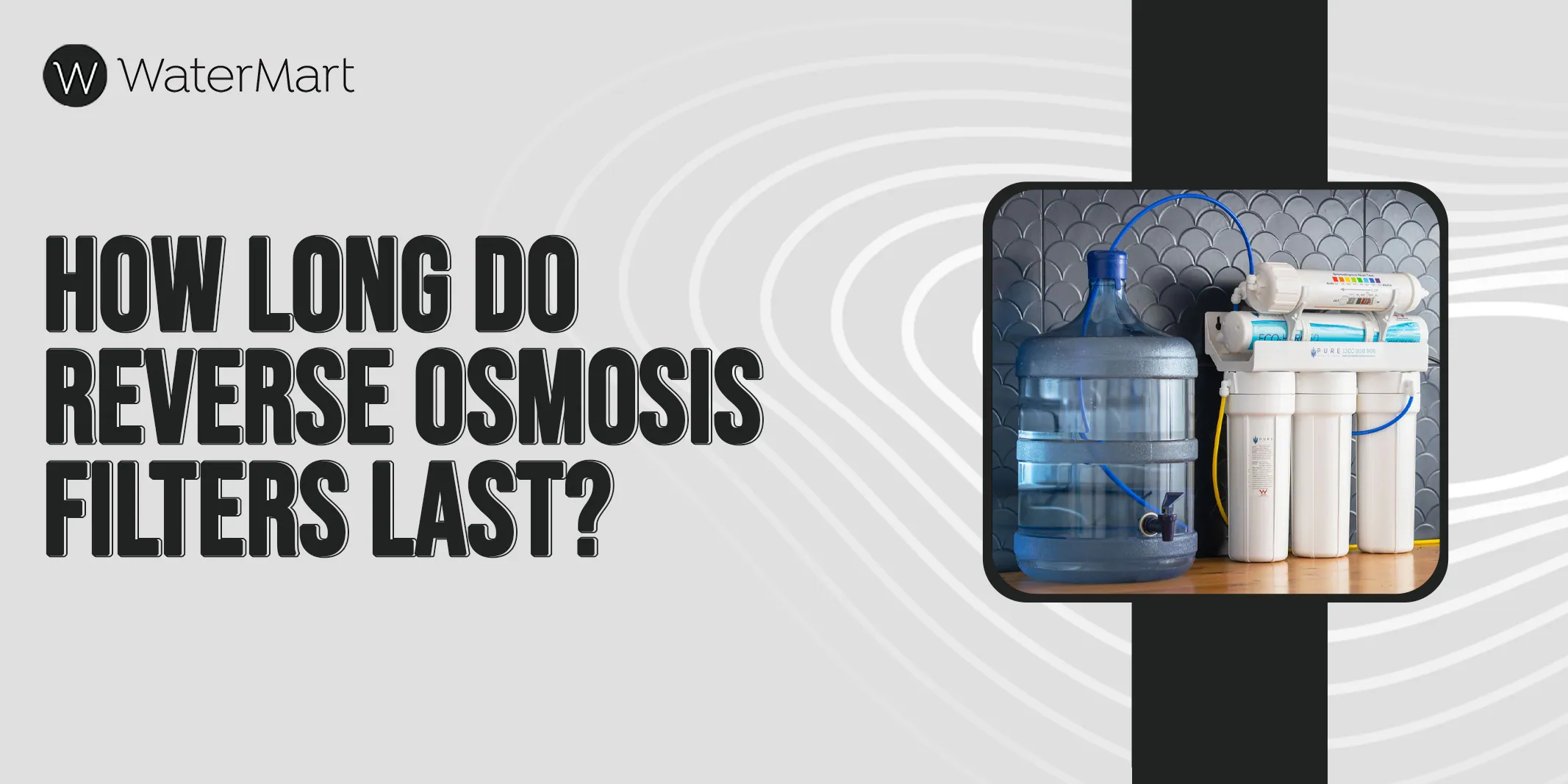
Lake Ontario is Toronto’s main source of drinking water, and the City treats it before distribution. If you want an additional layer of filtration, a reverse osmosis system can reduce many dissolved contaminants at the point of use while also improving the taste and odor of drinking water.
How Is Toronto Tap Water Quality?
The water quality of Toronto is declared safe by the Water Regulating Authorities. The water is tested every six hours, added with chlorine, fluoride, and phosphoric acid, and then sent to multiple water stations, pressure pumps, pipes, and other resources to be used.
However, the water isn’t routinely checked for hardness or microplastics, and increased levels of lead in older plumbing systems can pose significant health risks. Since Toronto’s water comes from Lake Ontario, it’s important to understand the lake’s water quality, how it’s treated, and what tests are performed before the water is deemed suitable for consumption.
While Toronto tap water meets safety standards, the potential presence of impurities like microplastics and lead suggests that additional precautions, like home filtration, may benefit some households.
Where Does Toronto Get Its Water From?
Though Toronto has more than 25,000 natural water resources, including waterfalls, rivers, canals, and lakes, only Ontario’s water is used to provide drinkable water in taps. Since such a populated city uses water from one lake only, it is important to know what characteristics it has.
Toronto Public Health ensures that the necessary tests are conducted to maintain healthy water quality. The water from Lake Ontario is pumped directly to four water treatment plants, which then supply 18 pumping stations and 11 underground reservoirs. These facilities filter and treat about 1 billion litres of water per day, operating 24/7 to meet the city’s needs.
Additionally, Toronto has four elevated storage tanks and over 5,000 km of water mains that deliver treated water to residential, commercial, and industrial areas across the city.
What is the Water Treatment Process in Toronto
When you are figuring out all the pros and cons of Toronto’s tap water, it is important to know the water treatments the tap water goes through and what the frequency of these tests is. As the quality of water keeps changing from time to time, seasonal factors, algae, and other environmental factors change the chemistry of water.
- Firstly, large pipes, 1 to 5 kilometres far away from the shores collect the water from the lake.
- The lake water is passed through screens to check everything about its chemical composition, impurities present, and the amount of different elements in it. Then large debris particles are collected and the water is disinfected either through chlorine or ozone.
- Then the floc(accumulation of large particles) is collected by adding alum or polyaluminium chloride.
- Afterwards, the water is passed through settling basins, where larger particles (if any) then it is passed through a series of gravel, sand, and carbon, which is useful in removing impurities and micro-organisms.
- Before supplying this water to your household, chlorine, fluoride, phosphoric acid, and ammonia are added for disinfection, bone and teeth health, corrosion control, and balancing the chlorine respectively.
- The water is then sent to substations, to pumped through the pipelines to your homes.
Though this water fulfils the health standards of Canada, it is not tested for its hardness and microplastics, and no post-filtration testing is done. Whatever amount of microplastics Toronto water has, it is deemed to be safe as there is no technology available to check microplastic levels in tap water. You get drinkable water with unknown amounts of nutrients, hardness levels, and any present contaminants (unfiltered).
How Often Is Toronto Water Tested?
Ontario’s lake water is tested every six hours in labs for its detrimental effects.
Moreover, 20,000 tests are conducted in labs at different water filtration plants, and 15,000 tests for different types of bacteria. Thus, more than 410,000 tests are performed during one year.
Why is Lake Ontario Polluted?
Lake Ontario is polluted because it accumulates contaminants from other lakes, including agricultural runoff, industrial discharge, and commercial waste.
Plastic And Trash
Many factors contribute to the rise in plastic and trash in Ontario Lake. These include local improper disposal of bottles, disposable plastic crockery at beaches, and other waste material, and direct littering of the water.
Stormwater and Sewage Mixing
Rainwater washes debris, dirt, plastic, and trash from the streets, roads, and walkways, that directly run off to the storm drains and rivers, ending up into Lake Ontario. If the sewage water gets mixed with rainwater runoff, it also adds up to lake water.
Lead Risks In Aging Plumbing
Even if the water at your faucets is filtered and cleaned through your municipality authorities, old pipes may increase the lead %age in your drinking water. The industrial run-offs illegally added to the lake, or via improper disposal may also increase lead amounts in lake water, which also adds up to your tap water.
Lake Ontario Beach E. Coli Concerns
E.Coli is a bacteria living in the intestines of warm-blooded organisms, including humans. It originally stems from the gut system. Usually, it is your gut bacteria that keep you healthy, but the Shiga toxin-producing E. coli (STEC) bacterium, causes food-borne health concerns like UTI, pneumonia, diarrhoea, and some serious ailments in severe exposure.
E.Coli adds up to Lake Ontario either from stormwater, rainwater runoff, improper disposal of hospital waste, or fecal matter directly to waterways, rivers, and lakes leading to Lake Ontario.
Risks Of Chlorine Byproducts
Though the water is cleaned at government water stations before being supplied to your taps, it may have indirect pollutants. The chlorine often reacts with microplastics (which are neither checked nor regulated )
Localized Contamination
In many places, locals add their disposals to Ontario Lake. Though this is illegal and Canada’s government has made strict policies against such individuals, there are sites where proper regulation is not possible because of geographical barriers. Such contaminations add up to the overall pollution of lake water.
Needles And Other Debris
Illegal dumping or improper disposal of syringes may add up to waterways. These waters ultimately fall into Lake Ontario, causing higher pollution to aquatic life and human water ingestion.
Agricultural Runoff
It is the wastewater from agricultural land flowing to the nearby water bodies like rivers or lakes, that ultimately add the highest levels of nitrogen, phosphorus, and fertilizers to the lake’s water.
Dead Fishes Across Lake Ontario
When a large number of fish die in a lake, their bodies remain there until they decompose. This decomposition leads to nutrient imbalance in the lake by adding phosphorus and nitrogen increasing the production of algae and overall water pollution. This water pollution not only harms other aquatic life but also poses serious health hazards if humans come in contact with this water.
Oily Water Near Lake Ontario
Industrial or commercial facilities add oils or oil-based discharge products either illegally or through improper disposal. Other causes of oily water are rainwater runoff or boating activities in the lake. This causes an increase in contaminants in water, resulting in poor quality for drinking purposes.
Musty, Earthy Odors And Tastes
Musty and earthy odors in your tap water are mainly because of the presence of algae and dead fish in the lake water. You also get a bad taste when this water is chlorinated before reaching your household.
Does Toronto have hard water?
Yes, Toronto has moderately hard water, with hardness typically around 6–7 grains per gallon (GPG).
Hard water is not generally considered a health concern, but it can cause problems around the home. Over time, calcium and magnesium can form scale buildup on faucets, showerheads, pipes, and water heaters, reducing efficiency and increasing maintenance.
If you notice white deposits, spots on dishes, or scale around fixtures, a water hardness test can confirm the mineral level in your water. If the hardness is causing problems, a water softener in Toronto is typically the appropriate solution rather than a standard water filter.
How to Test Your Tap Water in Toronto?
The best way to test your Toronto tap water is to collect a properly prepared sample and send it to an accredited lab, and which lab you use depends on what you’re checking for. If your home was built before the mid-1950s, or is a low-rise under three storeys, Toronto Water offers a free lead testing program. Call 311 to register, pick up a kit at a Toronto Public Health location, and collect a first-draw sample, meaning the first water out of your kitchen cold tap after it’s sat unused for at least six hours with no flushing beforehand. Drop the sample at a city collection point, and results usually arrive by mail or email within about 30 days. Full details are on the City’s lead testing for residents page.
For hardness, chlorine, or general water chemistry, Public Health Ontario’s free testing only covers private wells and cisterns, so Toronto’s municipal water doesn’t qualify for that route. Instead, use a lab from Ontario’s official list of licensed drinking water laboratories, calling ahead since not all of them accept individual samples, or get a free in-home test from a water treatment company like WaterMart. Once your results are back, compare them against the Ontario Drinking Water Quality Standards (O. Reg. 169/03) and Health Canada’s Guidelines for Canadian Drinking Water Quality. Anything above the accepted limit usually points to either a plumbing fix for lead or a certified filtration or softening system for hardness, chlorine taste, and minerals.
Is It Necessary To Have A Water Filter In Toronto?
Toronto was the first city to start chlorinating water to kill bacteria, viruses, parasites, pesticides, and other pollutants after the epidemic of typhoid in 1800. The Ministry of Environment and Parks is very concerned about regulating water quality as per Canadian standards.
However, having water from one lake in such a populated city may compromise the quality of the water because of the pipelines and other uncontrollable factors. Installing a water filtration plant is a wise decision, as you may get healthy water at a reasonable cost. If you’re planning to buy a water filter, like a water softener in Toronto, take a moment to see if boiling or filtering is the right fix for your water quality.
What to Do If You Don’t Like the Taste and Quality of Toronto Tap Water?
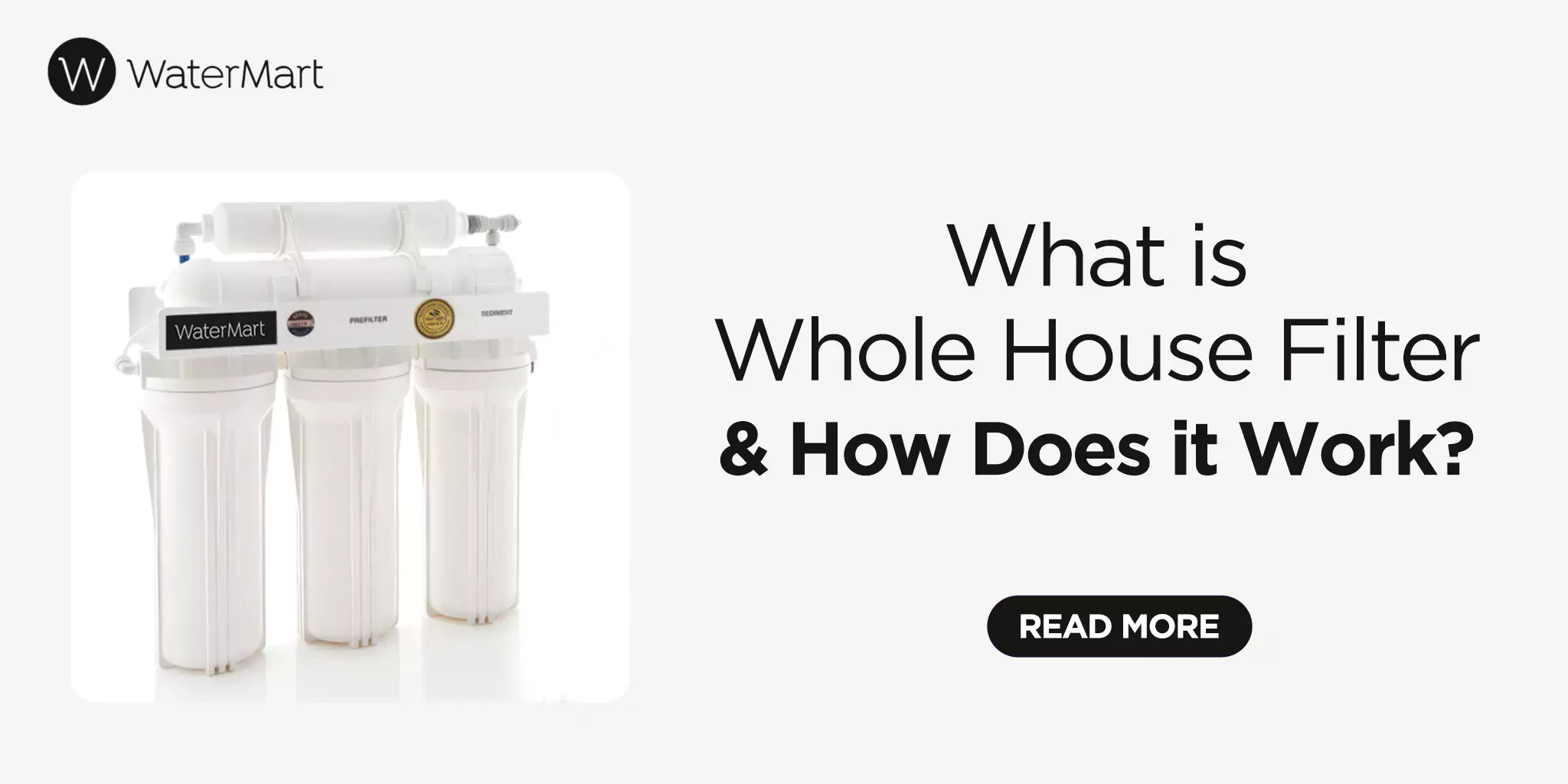
Installing a whole-house water filter system can help improve water taste and odour throughout your home. Depending on the system, it can also reduce certain contaminants, sediment, and chlorine, while helping protect plumbing fixtures, showers, and water-using appliances from buildup. It also provides filtered water from multiple taps, rather than limiting filtration to a single drinking-water faucet.
FAQS
Is Toronto Water Good for Hair?
Generally, Toronto water is good for hair. But, in case water in your area is hard because of natural resource contamination, poor plumbing, or scales in your water pipelines, it may affect your hair and make it dry and damaged.
Why Does Toronto Water Smell Earthy/Fishy?
The reasons behind the earthy and fishy smell are because of the naturally occurring compounds made by algae, and microorganisms, the presence of dead fishes, seasonal changes, and the result of the addition of chlorides and fluorides.
Is there Chlorine in Toronto water?
Yes, chlorine is added to water in Toronto to kill bacteria, viruses,, and parasites causing health hazards.
Is Toronto Tap Water Good to Drink Directly from the Sink?
Yes. Toronto tap water is generally good to drink directly from the sink. The City treats and regularly tests the water before it reaches homes.
Is Toronto’s Tap Water Safe Enough Without a Filter?
Yes. Most Toronto homes do not need a water filter for safety. However, older plumbing or lead service lines can affect water quality at the tap, so testing may be worthwhile for older properties.